An SEO control room, not one more isolated tool
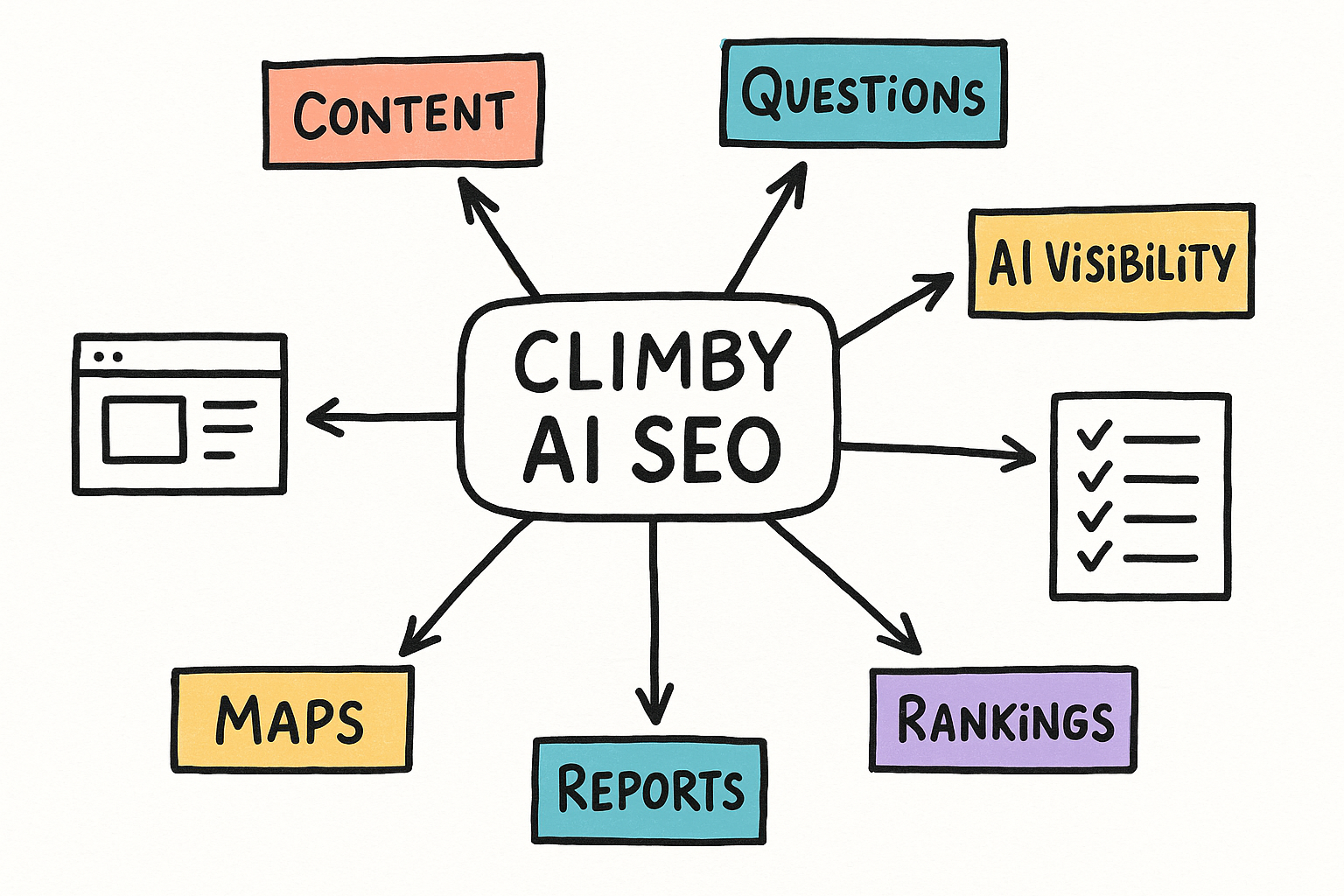
Climby combines website evidence, Google Search Console, content auditing, search-question research, AI visibility, ranking checks, local map scans, writing assistance, schema checks, approvals, and reporting inside one project. Its real value for a beginner is the connected workflow: it tries to move you from raw data to a prioritized next action without requiring you to understand every SEO term first.
- Research what people search, ask, and cite.
- Decide which pages and opportunities matter first.
- Stage improvements instead of changing the site blindly.
- Measure rankings, map visibility, competitors, and progress.
Connect, collect, analyze, prioritize, approve, measure
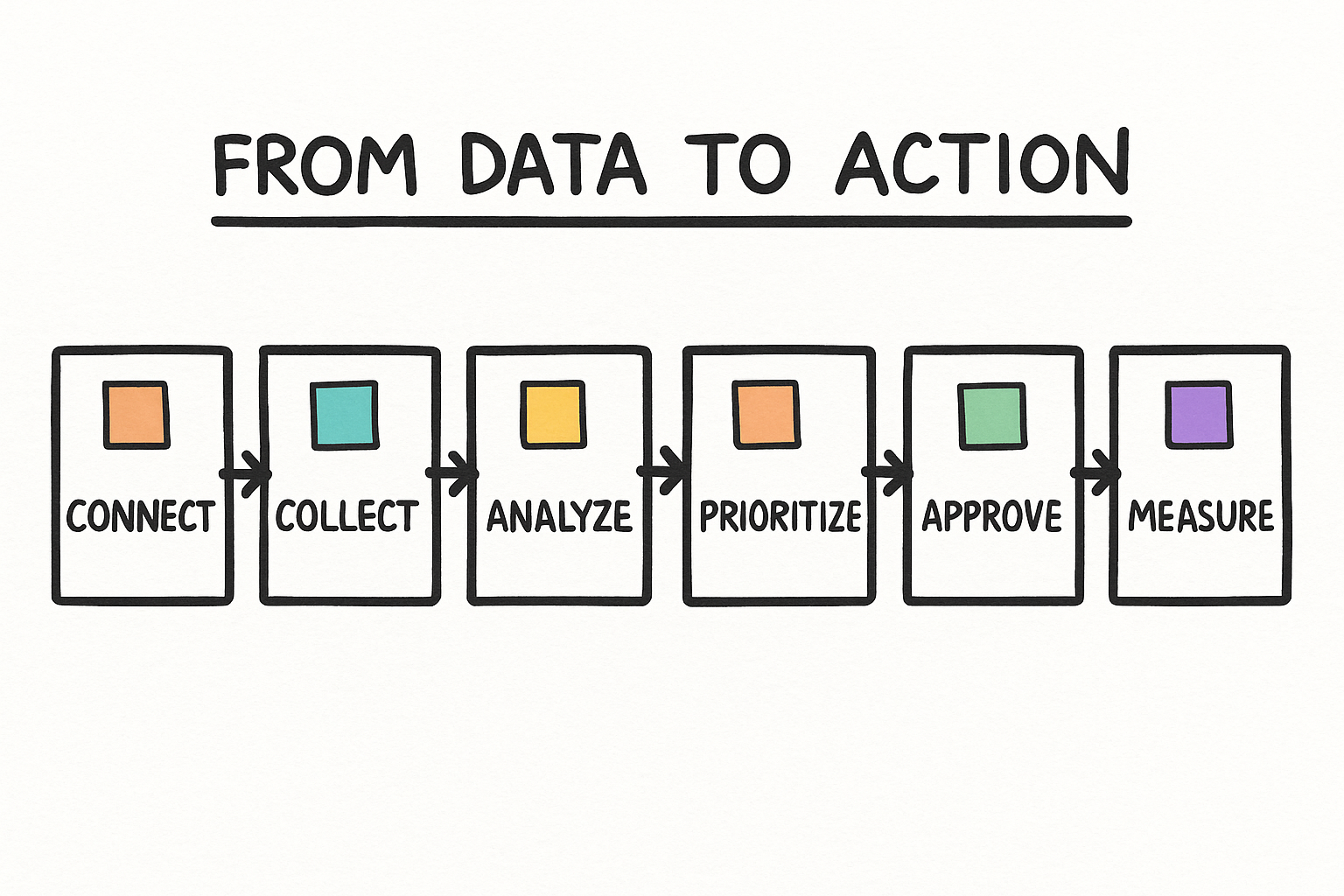
A project starts by connecting a website and its Search Console property. Climby collects first-party performance data plus configured search and provider data. Its rules and AI workflows analyze pages, questions, claims, rankings, competitors, and gaps. Findings become a priority queue or a staged recommendation. The user reviews and approves changes, then later reruns checks to see whether visibility improved.
- Connect: website, Search Console, and optional providers.
- Analyze: pages, keywords, questions, citations, maps, and schema.
- Act: review a recommended change before anything is applied.
- Measure: use history, comparisons, reports, and reruns.
Your first guided outcome is a safer page title
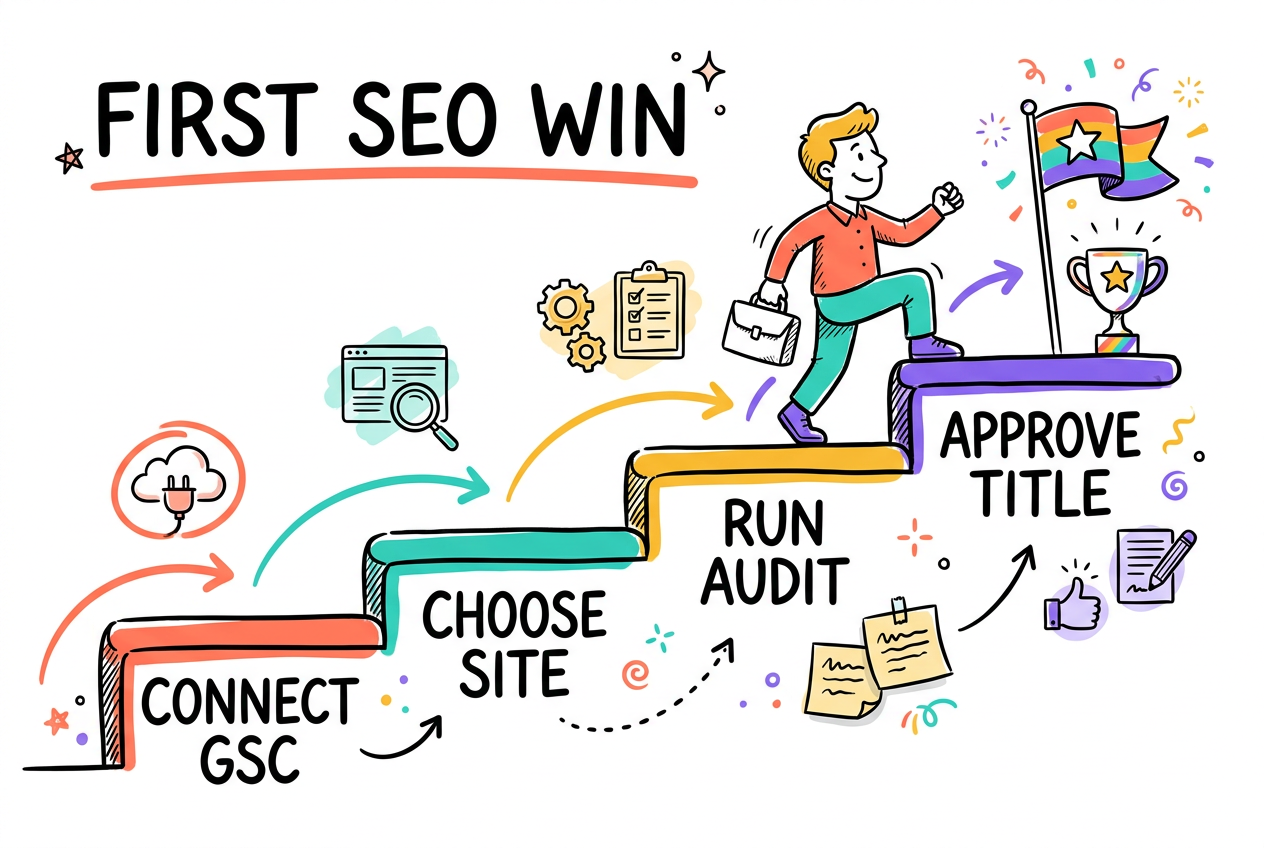
New accounts enter a four-step welcome wizard. You connect Google Search Console with read-only access, choose the website property, run a limited first content audit, and test title suggestions on three pages. Approving a title only stages it. The source explicitly says nothing touches the site until you apply it. That is a much better beginner experience than opening a wall of SEO metrics with no route through them.
- The wizard gives the user one active step at a time.
- The first audit can reconnect if the user leaves the page.
- The first change is small, understandable, and reviewable.
- Walkthrough video links exist, but the repository still contains placeholder video IDs.
The toolbox spans research, improvement, and measurement
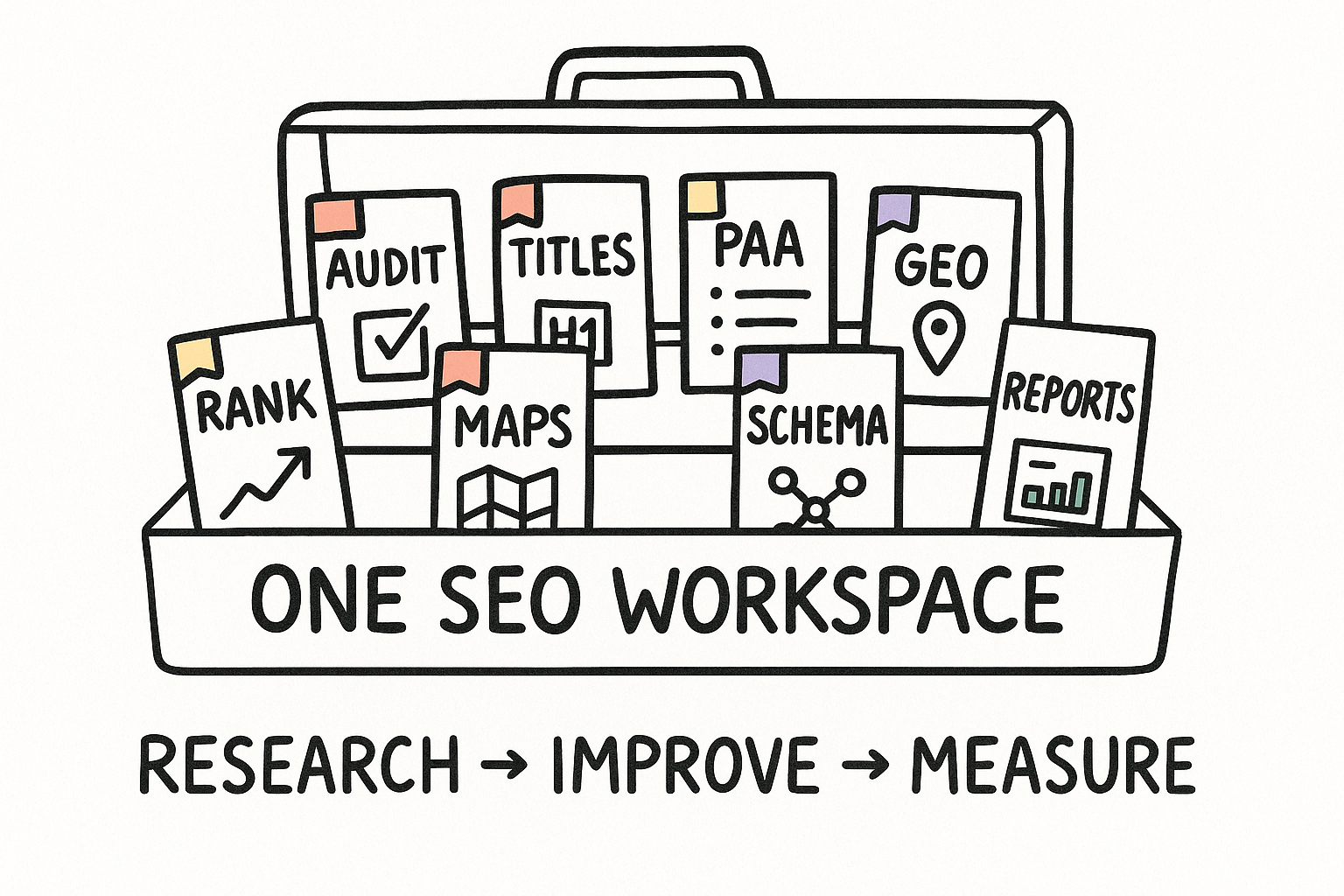
Content Audit finds pages worth improving, consolidating, redirecting, or protecting. Title Optimizer coordinates title, H1, and meta suggestions. Answer Gap discovers and organizes People Also Ask questions. GEO tracks how brands are mentioned and cited by AI answers. Rank and Maps Trackers measure organic and local visibility. Article Writer, schema audits, technical analysis, approvals, changes, reports, WordPress support, and provider integrations complete the operating surface.
- Research: keyword discovery, topical maps, PAA, competitors, and SERPs.
- Improve: content decisions, titles, articles, schema, and technical fixes.
- Measure: rankings, AI visibility, local grids, trends, and reports.
- Control: command center, approvals, staged changes, and history.
The strongest idea is the review-before-apply loop
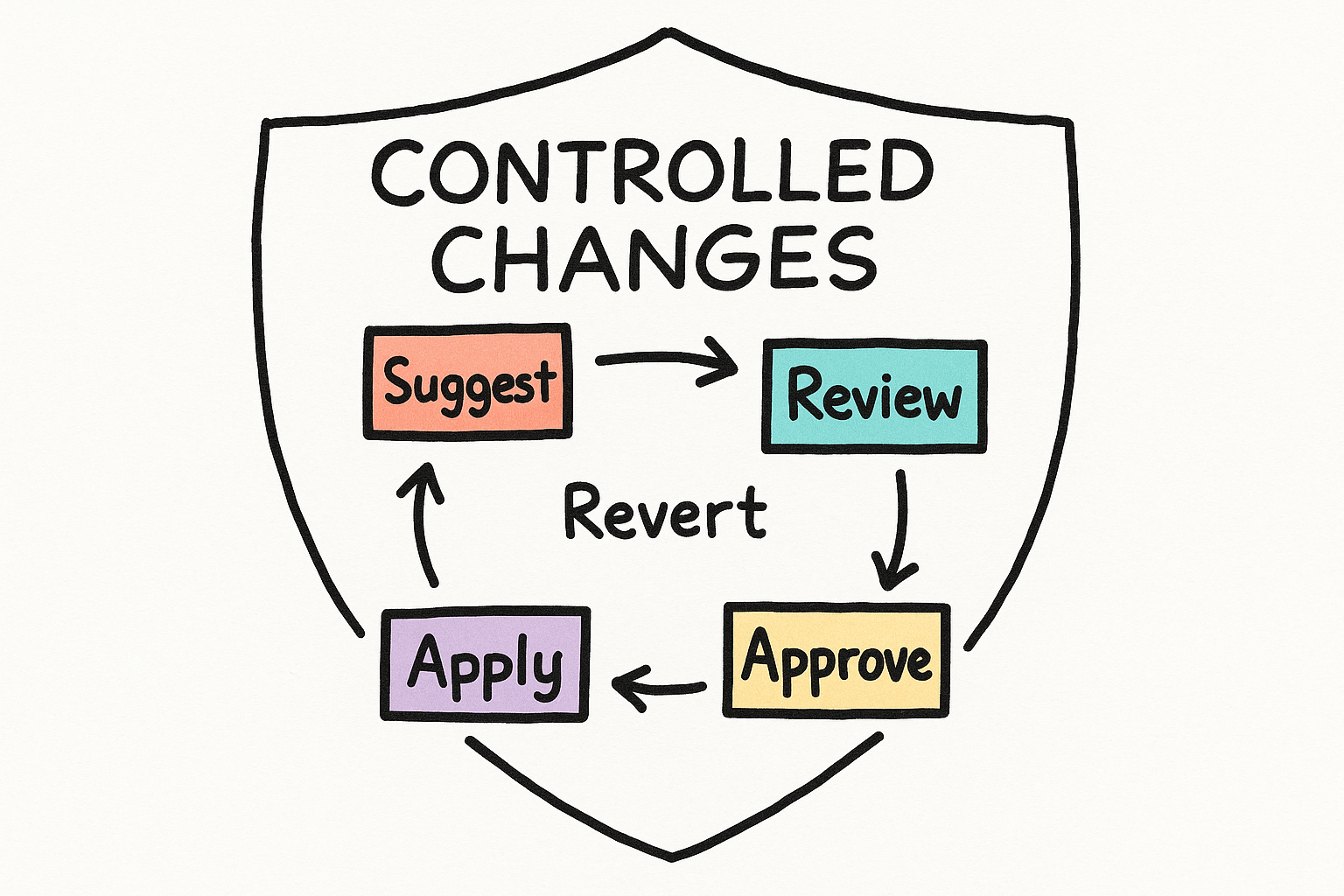
Climby's better workflows separate analysis, suggestion, approval, application, and verification. The rule-writing agent previews affected pages before staging a complete proposal. Keyword changes can be planned one mutation class at a time. Title changes are approved before they become active. Change sets can be applied, reverted, or discarded. These controls make an AI-heavy SEO product understandable and recoverable for a non-expert.
- Explanations show which rule fired and why.
- Preview reveals intended and unwanted changes before approval.
- Apply is a separate user action, not an automatic side effect.
- History and revert paths make experiments recoverable.
Climby guides the scan better, Merlino visualizes it better
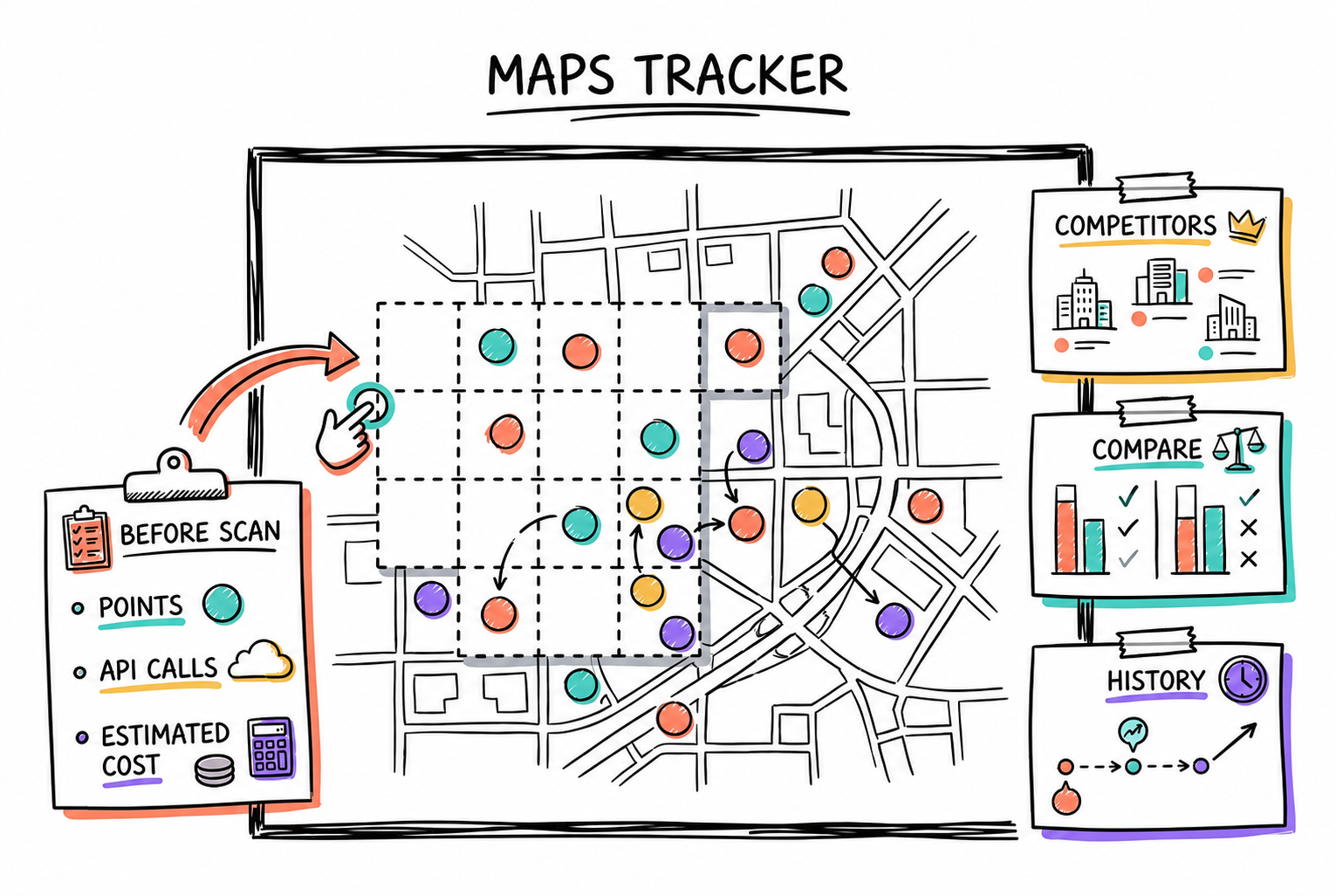
Climby's map workflow previews the grid, radius, point count, locations, API calls, quota, remaining units, estimated cost, and test mode before spending. Results include competitor details, persistent status, history, exports, before-and-after comparisons, deltas, and ranking-factor actions. Merlino's map itself is stronger: clearer square geometry, gray not-ranked treatment, a distinct center, real heat and pin layers, progressive filling, running actual cost, grids through 13x13, and broader AI and local-search layers.
- Use Climby's preflight, comparison, competitor, history, and report workflow.
- Use Merlino's map rendering, scan depth, heat semantics, and progressive feedback.
- Do not copy red not-ranked markers, star-shaped top-three defaults, or a 9x9 ceiling.
- The best local-search product combines both sides.
Use Climby for guidance, ours for specialist depth, both for the product
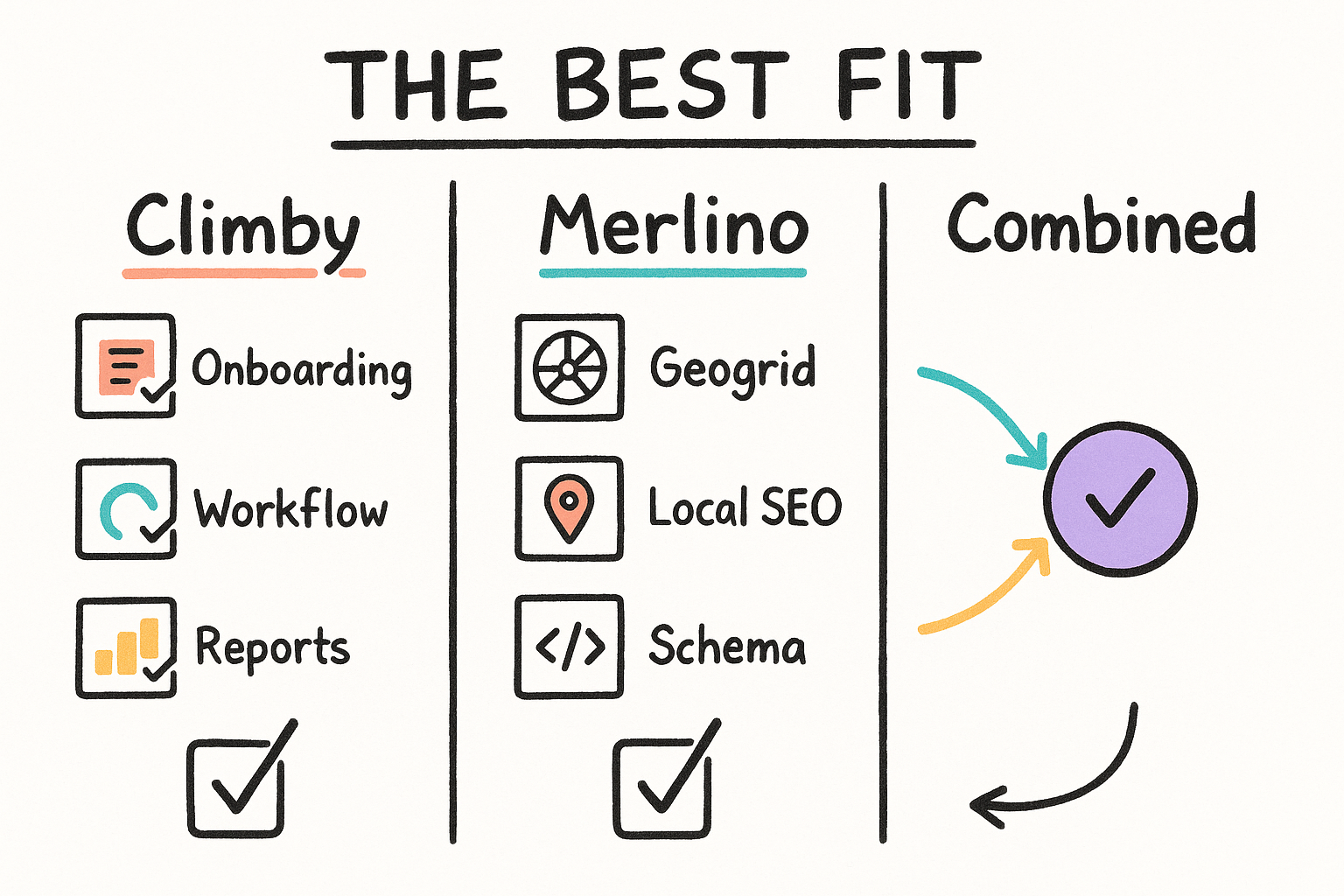
If the user knows no SEO, Climby currently provides the better front door. Use its hosted onboarding, connected content audit, title workflow, question research, GEO priority queue, map workflow, approval model, comparison, history, and reports. Use Merlino's stronger geogrid core, advanced local SEO execution, connected schema and entity work, custom content systems, and agency automation when the job needs specialist depth.
- Use theirs when the complete user experience is better.
- Use ours only where evidence shows a stronger result for that job.
- Combine when a better workflow can sit above a better engine.
- Use neither when safety, reliability, licensing, or cost fails the job.
Hosted for beginners, hybrid for the strongest system
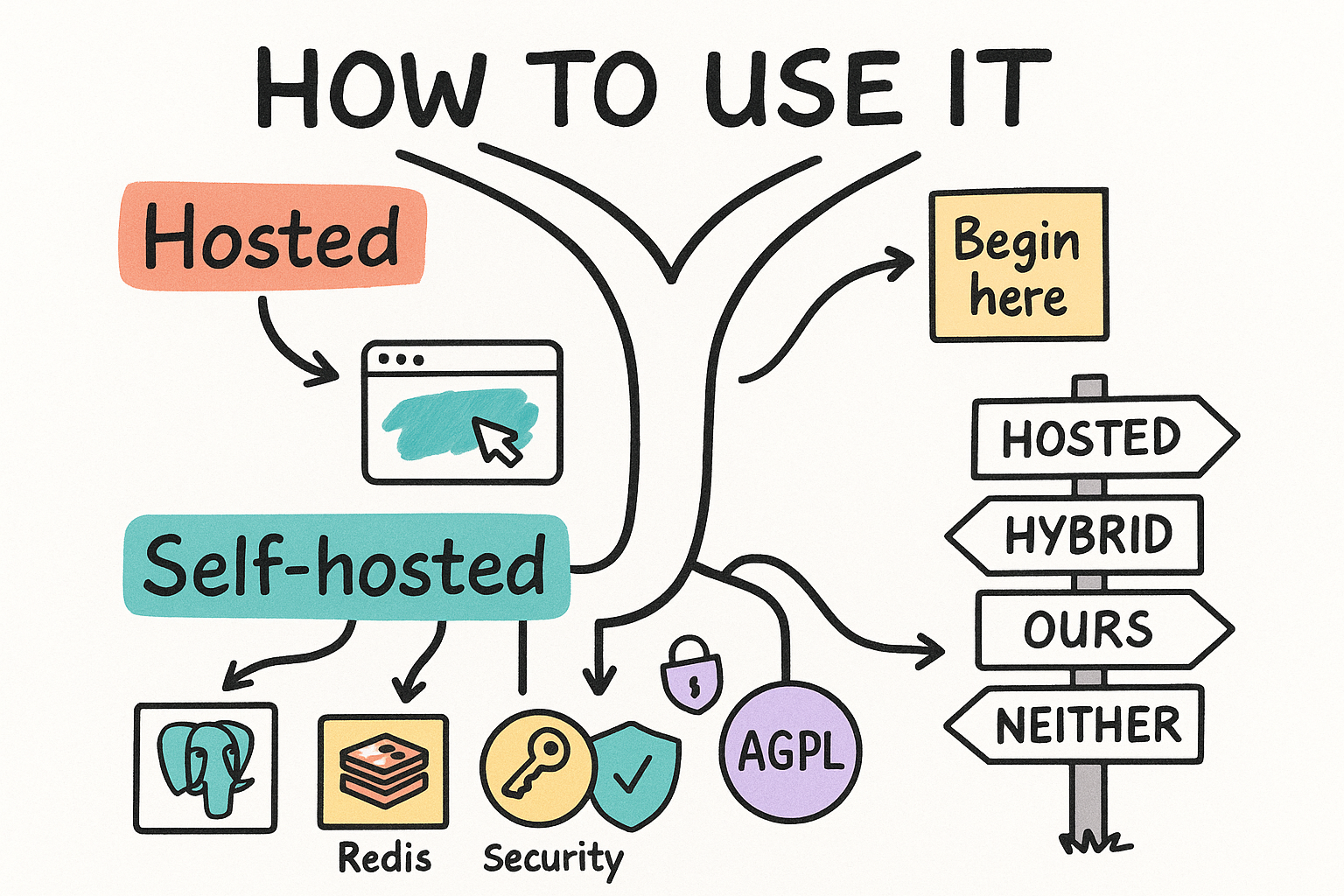
A non-technical user should start with the hosted Climby service because the repository's self-hosted path requires PostgreSQL, Redis, environment configuration, provider credentials, deployment work, monitoring, and AGPL compliance. The source audit also found security, CI, build, and documentation issues that should be resolved before treating the repository as production infrastructure. Hosted operation may absorb much of that burden, but the authenticated experience, pricing, and provider-backed output quality were not independently verified in this review.
- Option 1: hosted Climby for the fastest beginner experience.
- Option 2: hybrid Climby workflow plus Merlino engines, recommended product direction.
- Option 3: Merlino-only as a managed expert service, not beginner self-service.
- Option 4: self-host Climby only after security, operations, provider, and AGPL review.